HVAC Flooded After the Hurricane? Here’s What Tampa Bay Residents Need to Know
Flooded HVAC systems can pose serious risks after a hurricane. Our latest blog provides Tampa Bay homeowners with a clear, step-by-step guide to assessing flood damage, deciding between repair or replacement, and applying for FEMA assistance. Learn how to turn off your system safely, inspect for visible damage, and prevent mold growth. Plus, find out when it’s best to call in HVAC professionals to restore your system efficiently. Stay informed and protect your home in the wake of storm damage.
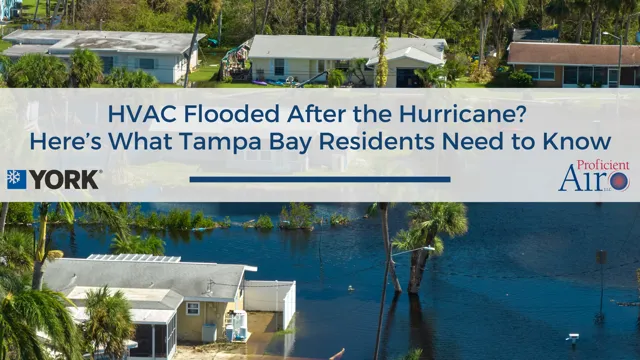
The recent hurricane brought devastating floods to our beautiful Tampa Bay, leaving many homes and families dealing with the aftermath. Among the many challenges homeowners face is potential damage to their HVAC systems.
If your AC unit was submerged in floodwater, you’re likely feeling overwhelmed and unsure of what to do next. We understand, and we’re here to help.
This blog post will guide you through the essential steps to take if your HVAC system was flooded, including assessing the damage, whether FEMA can help, and how to prevent mold growth.
Immediate Actions to Take After Flooding
After assessing visible damage, you may wonder whether your HVAC system can be repaired or if it needs replacement. Minor damages, such as wet components that can be dried, might only require repair. However, replacement may be necessary if the compressor has sustained significant damage or if the unit has been fully submerged.Turn Off Power
Before you even check your AC unit, turn off the power on the system in the breaker box. This prevents potential electrical hazards and further damage to the system. Avoid trying to operate the unit until it has been thoroughly inspected.Assessing Visible Damage
Next, check the outdoor unit for any visible damage. Look for debris, dislodged components, or signs of corrosion.Even if your unit looks okay from the outside, do NOT attempt to turn it on. Running a water-damaged HVAC system can lead to electrical shorts, further damage, and even fire.
Understanding the Damage: Repair or Replace?
After assessing visible damage, you may wonder whether your HVAC system can be repaired or needs replacement. Minor damages, such as wet components, might only require repair.However, replacement may be necessary if the compressor has sustained significant damage or if the unit has been fully submerged. It is recommended you contact your trusted HVAC professional to assess your AC to help you decide what to do next.
Can FEMA Help with Repairs or Replacement?
The Federal Emergency Management Agency (FEMA) can help repair or replace your HVAC system under certain conditions.- Disaster Declaration: The President must have declared the event a major disaster declaration for your area.
- Primary Residence: The damage must have occurred to your primary residence, not a secondary home or vacation property.
- Severity of Damage: The damage to your HVAC system must be significant and directly related to the declared disaster.
- Insurance Coverage: You must register with FEMA even if you have insurance. FEMA assistance may be available to cover costs that are not covered by your insurance policy.
How to Apply for FEMA Assistance
Applying for FEMA assistance is straightforward.- Register with FEMA: Register online at DisasterAssistance.gov, by phone at 1-800-621-FEMA (3362), or through the FEMA app.
- Document the damage: Take photos and videos of your flooded HVAC system and any other damage to your home.
- Provide necessary documentation: Be prepared to provide information about your insurance coverage, household income, and other relevant details.
Call in the Professionals
While it may be tempting to tackle repairs yourself, DIY repairs can be risky. It's important to call in professionals for several reasons:Complex Systems
HVAC systems are complex. Water damage can affect multiple components, including electrical wiring, coils, and internal mechanisms. Attempting to repair these yourself could lead to further damage or even injury.Safety First
Professionals are trained to handle electrical components and refrigerants safely, minimizing the risk of accidents.Mold Risk
A damp HVAC system is a breeding ground for mold growth. Professionals have the expertise and equipment to thoroughly clean and dry your system, preventing mold from taking hold and impacting your indoor air quality.
Peace of Mind
Knowing that experts have inspected and repaired your HVAC system gives you peace of mind during an already stressful time.
Final Thoughts
A flooded HVAC system can lead to serious complications if not addressed promptly. If your unit was submerged in floodwater, it’s important to act fast. The sooner you address the issue, the better.
At Proficient Air, our team of certified professionals is here to help you navigate the aftermath of flood damage. We offer thorough inspections, repairs, and replacements to ensure your HVAC system operates safely and efficiently. Call us at 727-386-2732 to schedule an appointment.