Understanding Hair Loss | PHH | Vibe Salon
Understanding Hair Loss and how to possibly prevent it from happening to you. Great advise and products from Vibe Salon in Palm Harbor.
The Science of Hair Loss
Genetic Factors & Hormones
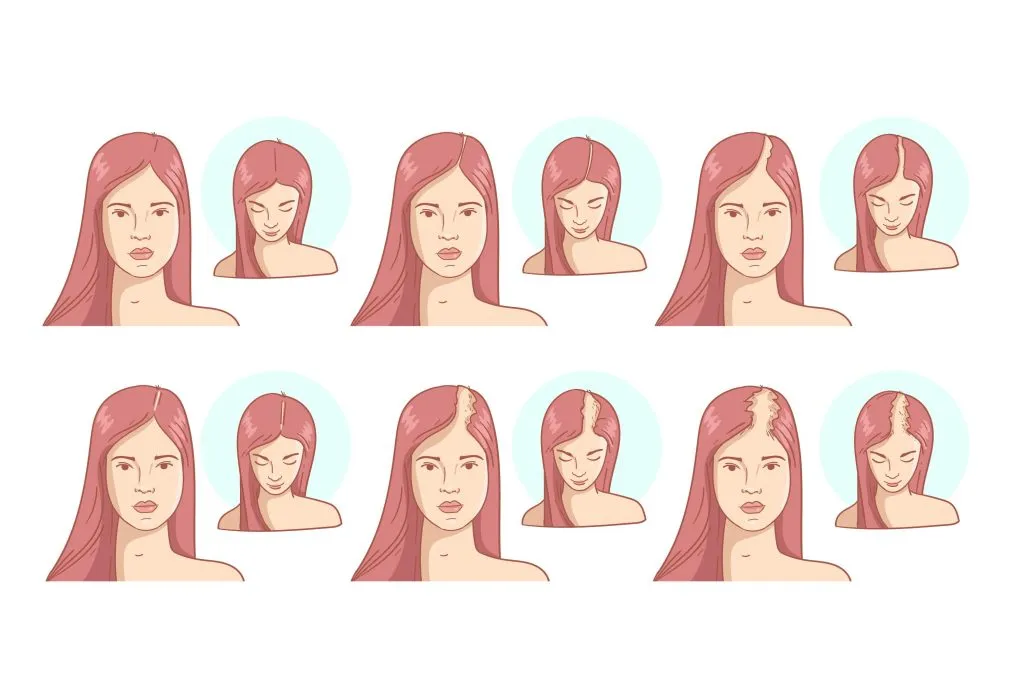
One of the most common causes of hair loss is genetic predisposition. This condition, known as androgenetic alopecia (male and female pattern baldness), is influenced by your family history. In men, hair loss often begins at the temples or crown, progressing to baldness over time. In women, hair thinning tends to occur more diffusely across the scalp, particularly along the crown or parting.
A major player in genetic hair loss is the hormone dihydrotestosterone (DHT), which affects hair follicles, leading to their shrinkage and, eventually, hair thinning. DHT is a derivative of testosterone, and an excess of this hormone can accelerate hair loss.
What is DHT and How It Affects Hair Growth?
DHT binds to receptors in hair follicles, leading to the shortening of the growth phase (Anagen phase) and the gradual miniaturization of hair follicles. As a result, the hair strands produced become thinner and shorter over time. For those genetically predisposed to hair loss, the impact of DHT can cause significant thinning and baldness.
Why Does DHT Thin Hair?
Elevated levels of DHT are often linked to hormonal imbalances, including conditions like polycystic ovary syndrome (PCOS), adrenal issues, or excess testosterone production. Additionally, stress can lead to increased DHT production, contributing to hair loss.
Understanding Hair Growth Cycles
Hair goes through three primary phases:
- Anagen (Growth Phase): This is the phase when hair is actively growing, lasting between 2-6 years.
- Catagen (Transition Phase): During this brief phase, hair growth slows down, and the follicle begins to shrink.
- Telogen (Rest Phase): In this phase, hair rests before eventually shedding to make room for new growth.
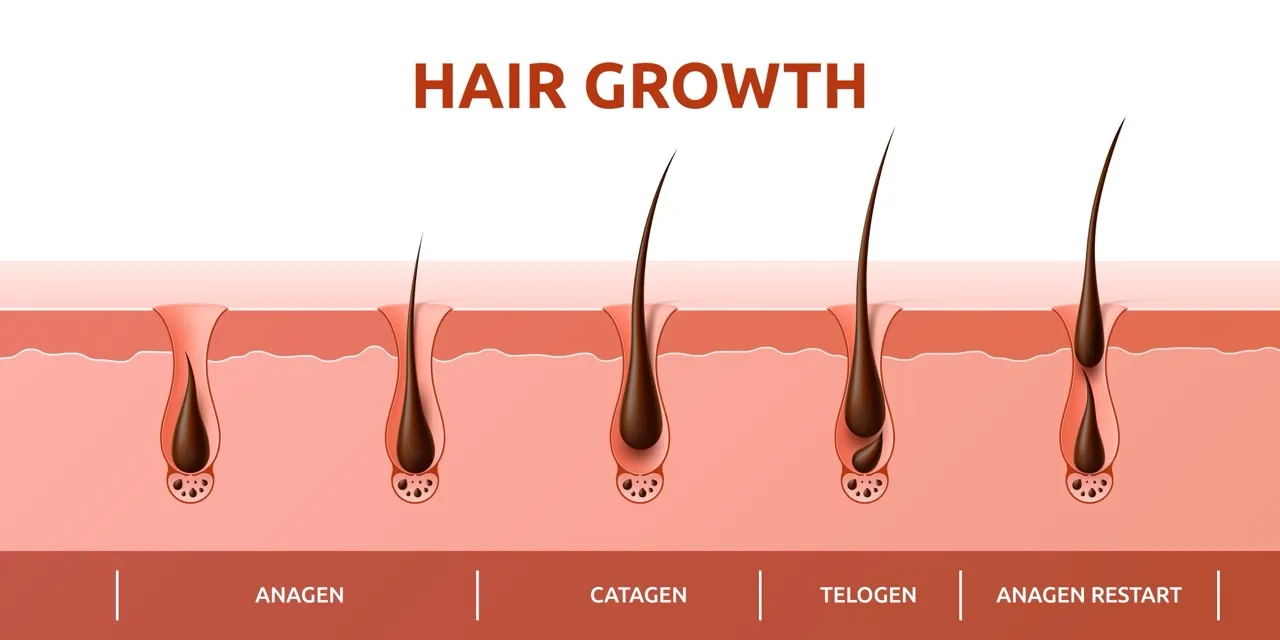
It's normal to shed a small amount of hair each day, but when this process is disrupted by hormonal changes, genetics, or lifestyle factors, the cycle becomes imbalanced, leading to more noticeable hair loss.
How Hair Loss Affects Women vs. Men
Male Hair Loss Patterns
Female Hair Loss Patterns
In women, hair loss is often more diffuse and subtle. The Ludwig scale outlines the stages of female pattern baldness, where thinning occurs primarily at the crown and parting. Women also experience hair thinning during menopause due to hormonal changes, pregnancy, or medical conditions like PCOS.
Can Hair Loss Be Reversed?
Natural Remedies & Solutions for Hair Loss
- Green Tea Extract: Contains catechins that may block DHT production.
- Pumpkin Seed Oil: Rich in zinc and fatty acids, it may reduce DHT levels.
- Tomatoes: Full of lycopene, which helps reduce DHT's effects on hair follicles.
- Turmeric: Known for its anti-inflammatory properties, it helps improve scalp health.
The Link Between Lifestyle and Hair Health

Diet and Nutrition’s Role in Hair Growth
Your diet has a direct impact on hair health. Nutrients like biotin, Vitamin D, omega-3 fatty acids, and zinc are crucial for healthy hair growth. Foods rich in these nutrients—such as leafy greens, fish, nuts, and eggs—help strengthen hair follicles, promote growth, and reduce shedding.
Stress and Its Impact on Hair Health
Chronic stress is a known trigger for Telogen Effluvium, a temporary form of hair loss where stress causes a significant portion of hair follicles to prematurely enter the shedding phase. Managing stress through relaxation techniques like meditation, yoga, and regular exercise can significantly reduce hair loss and support healthy hair growth.
Sleep and Its Role in Hair Regrowth
Adequate rest is essential for hair regeneration. Growth hormones like melatonin and human growth hormone (HGH) are produced during deep sleep and help stimulate hair follicles. Improving your sleep hygiene and ensuring you get 7-9 hours of sleep per night can make a noticeable difference in the quality of your hair.
Exercise and Circulation
What Hair is Made Of
The Composition of Hair: Keratin and Beyond
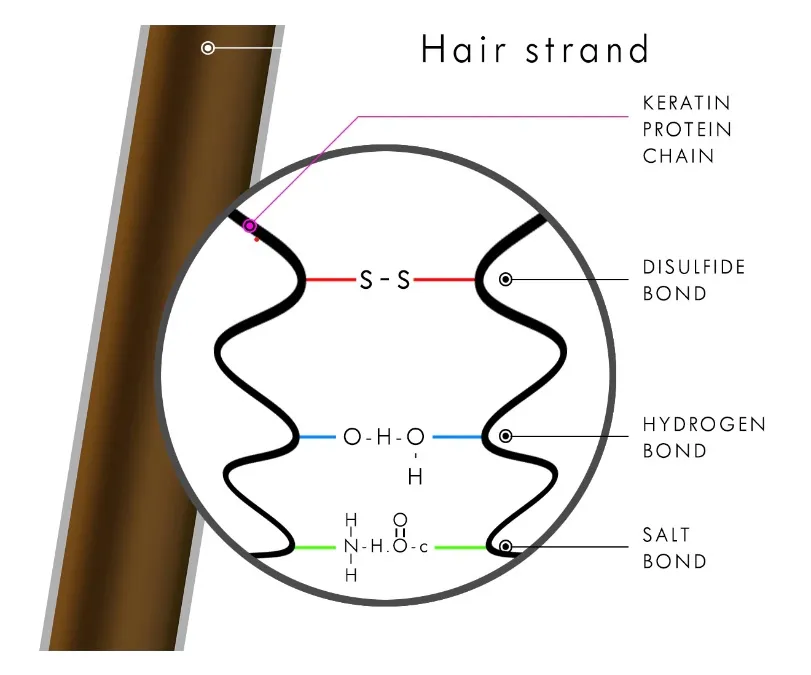
- Hair is primarily made up of a protien called keratin, a strong, fibrous protein that also makes up skin, nails, and outer layer of skin.
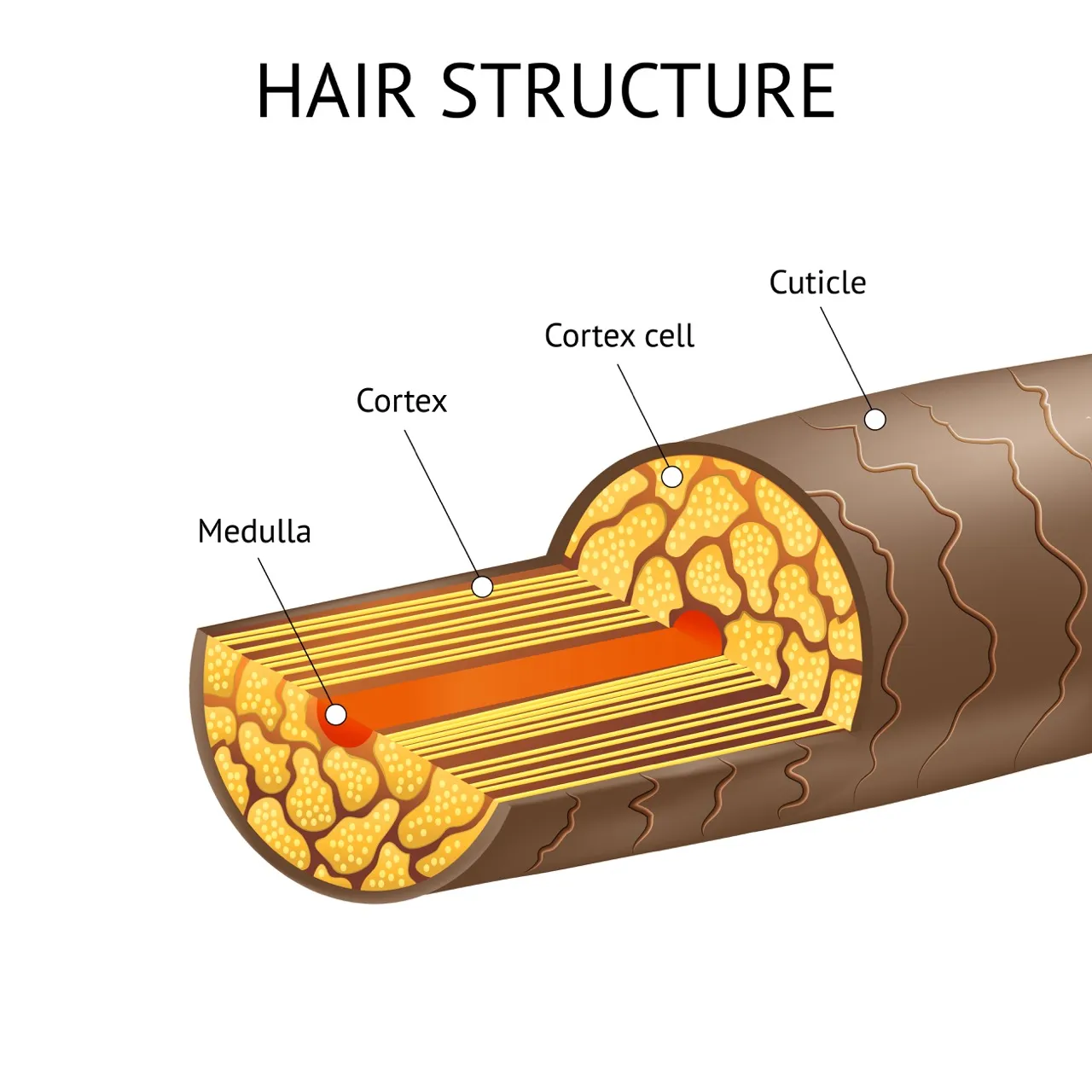
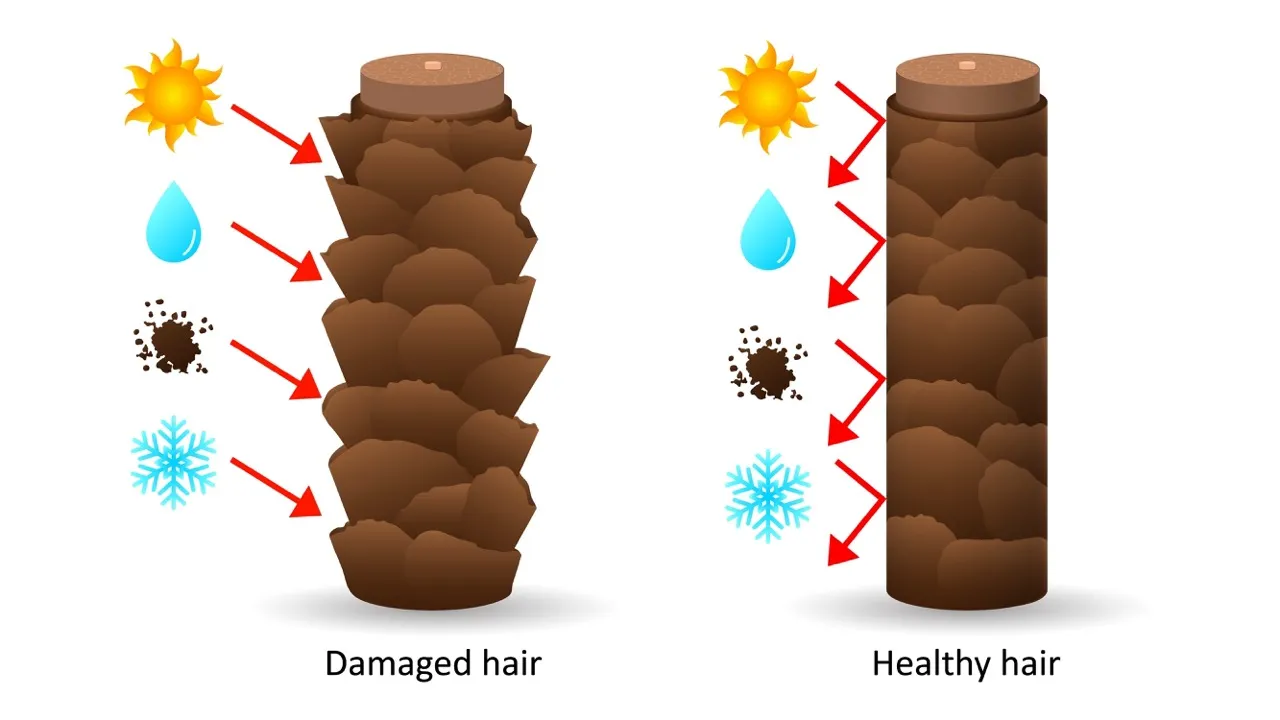
- Each strand of hair has three layers: the cuticle (outer layer), the cortex (middle layer), and the medulla (inner core). The cortex gives your hair its color and strength, while the cuticle protects it from damage.
- The structure of keratin gives hair its strength, elasticity, and ability to withstand damage. Each strand of hair contains sulfur bonds that affect its texture and flexibility, and keratin plays a crucial role in keeping your hair smooth and shiny.
How Hair Health is Affected by These Components
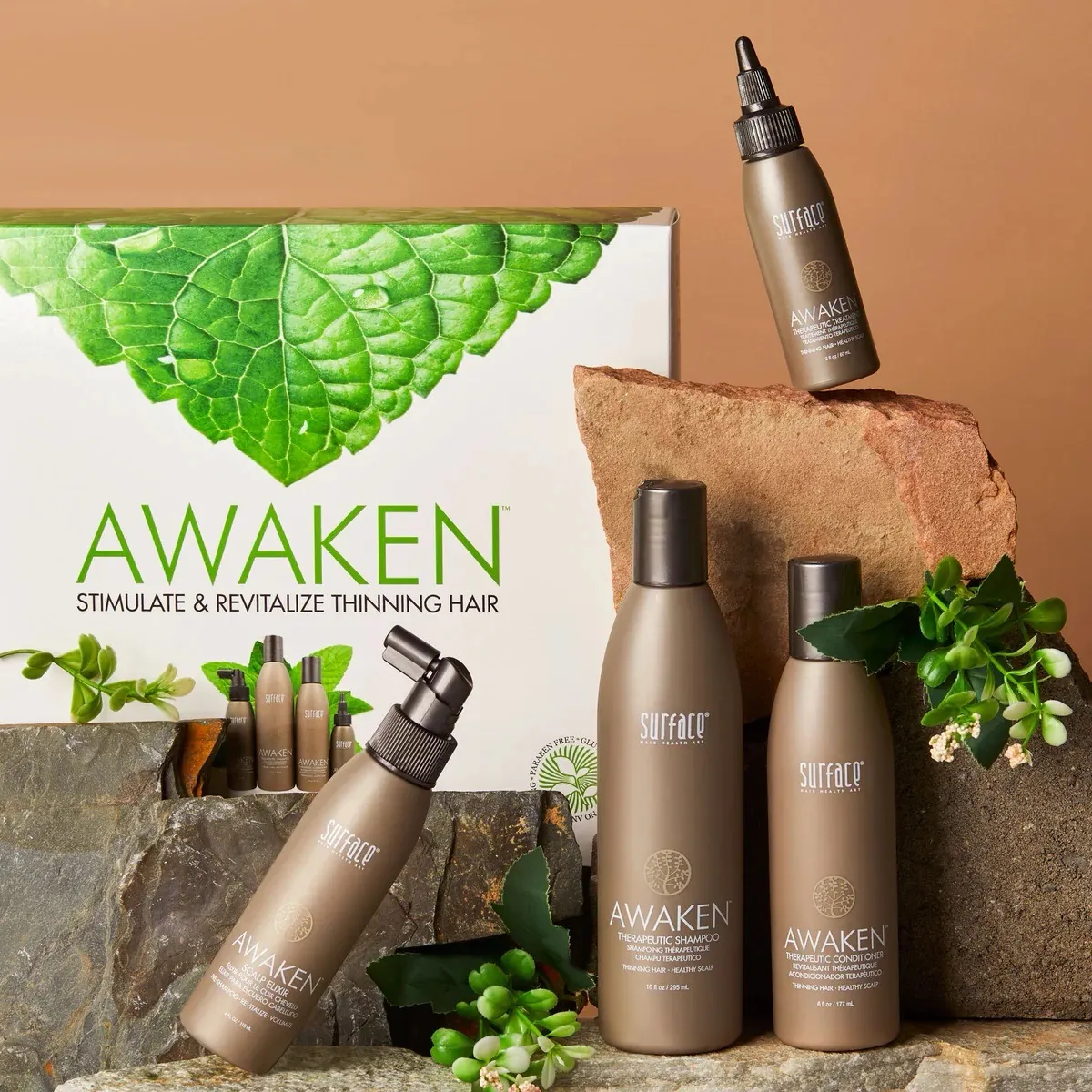
Introducing Awaken Therapeutic: A Natural Solution for Hair Loss
Why Choose Awaken Over Minoxidil or Finasteride?
Using Awaken Therapeutic: Step-by-Step Guide
To get the best results from Awaken, follow these simple, effective steps:
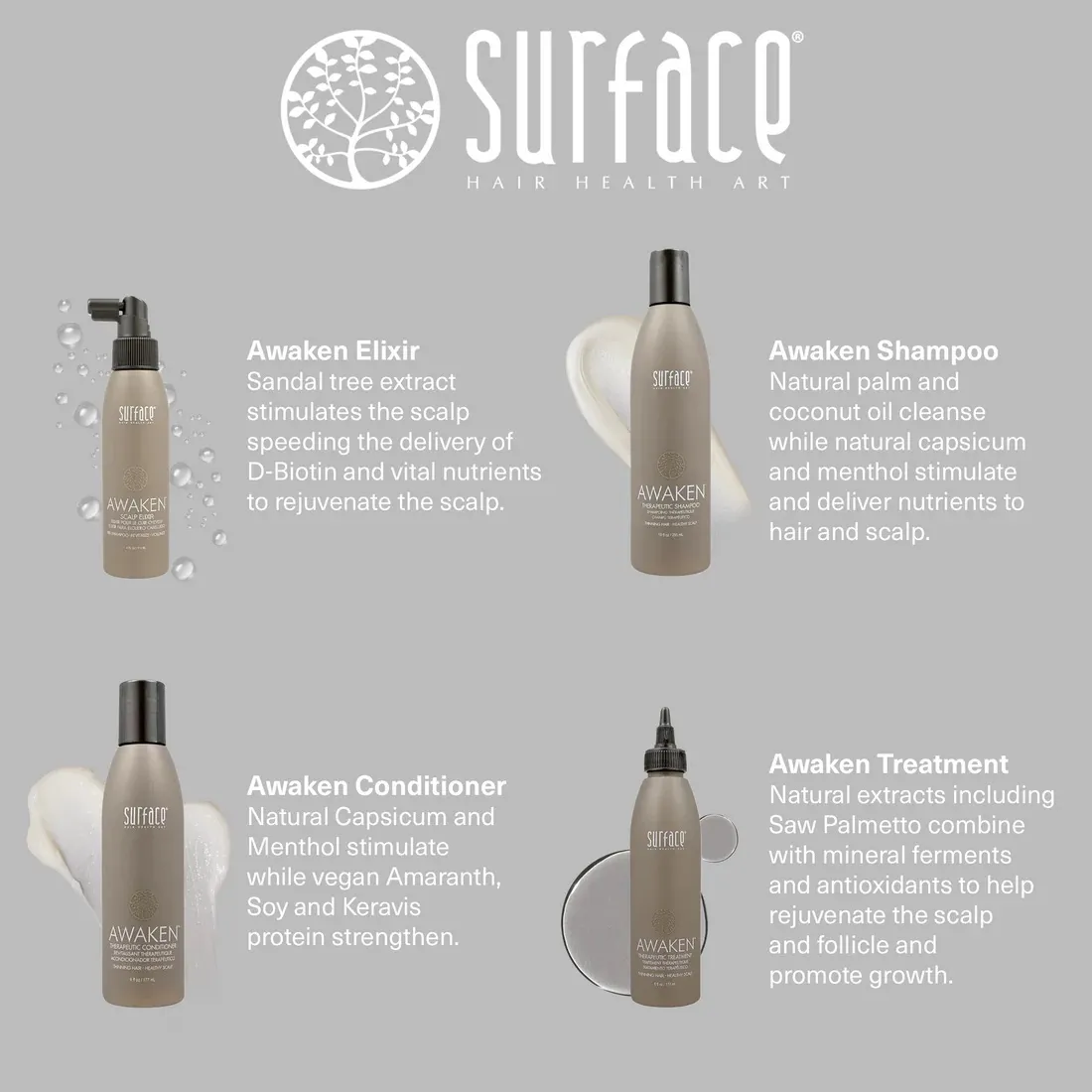
1: Wash your hair with Awaken Shampoo, massaging it into the scalp for 1-2 minutes.
2: Follow up with Awaken Conditioner, leaving it on for a minute before rinsing.
3: Apply Awaken Elixir to the scalp, massaging gently into thinning areas.
4: Use Awaken Treatment Drops on areas with noticeable thinning, and leave it overnight.
5: For deeper results, try an Awaken Scalp Detox treatment once a week to remove buildup and invigorate the scalp.
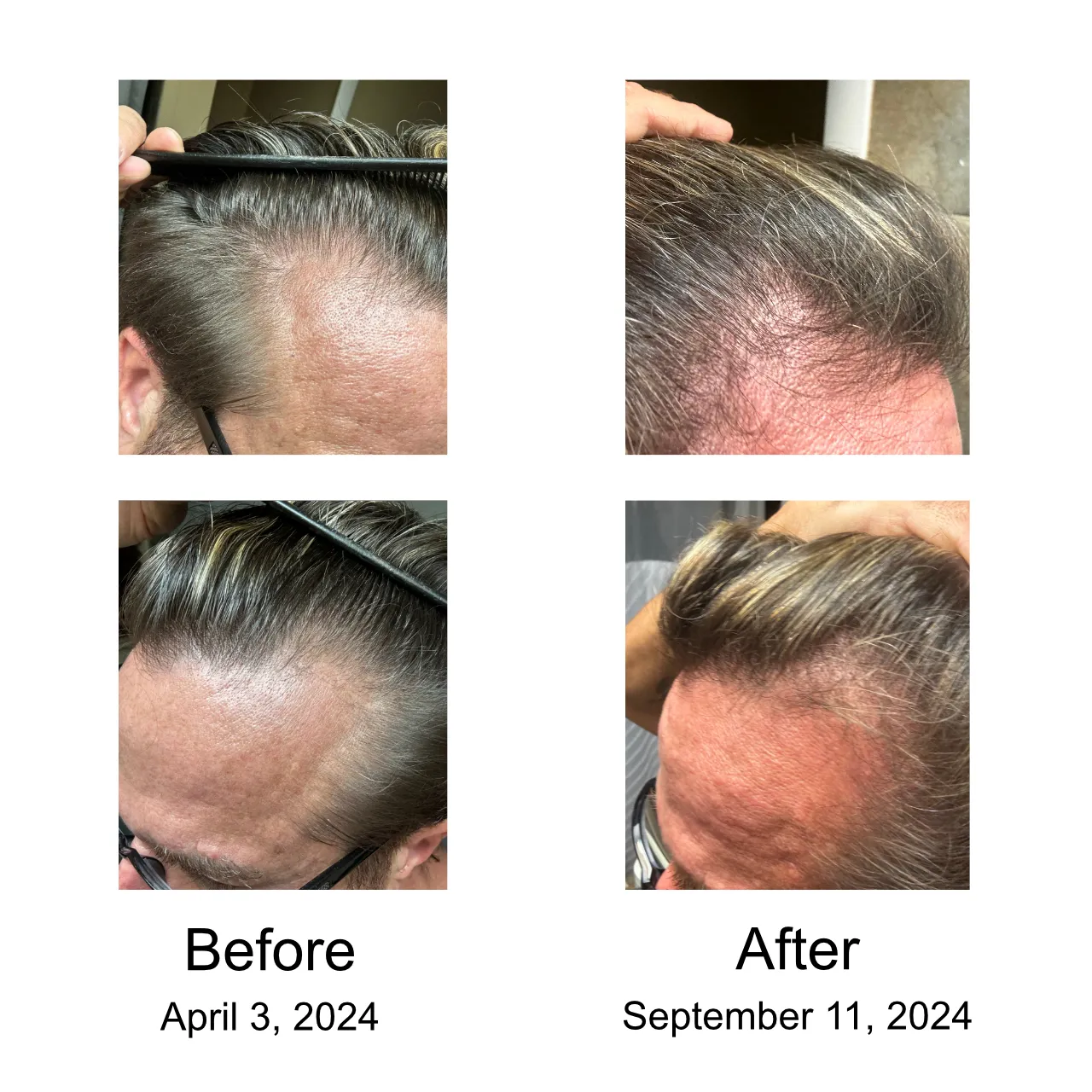
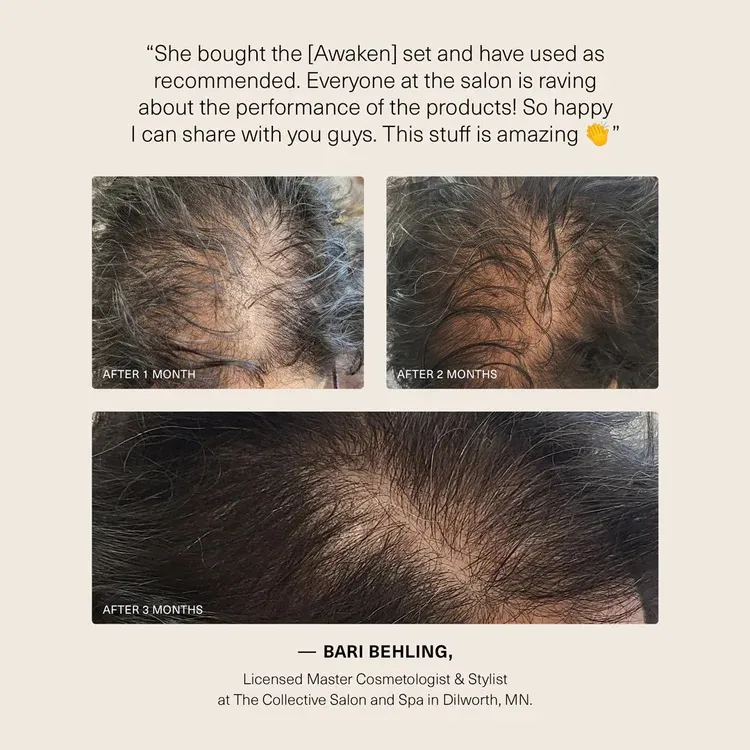
Many users report visible improvements in as little as three months, with a noticeable reduction in hair thinning and enhanced hair volume.
Long-Term Hair Health Tips
- Lifestyle Changes: Ensure your diet includes plenty of biotin, omega-3s, and vitamins that support hair health. Stay hydrated and manage stress.
- Avoid Damage: Protect hair from excessive heat and harsh chemical treatments. Use gentle hair products free of sulfates and parabens.
- Regular Trims & Scalp Care: Regular haircuts help eliminate split ends and keep hair looking its best. Don’t neglect scalp care—exfoliate and massage your scalp to promote circulation.